Serving Stephenville, TX and surrounding areas. (254) 428-0165
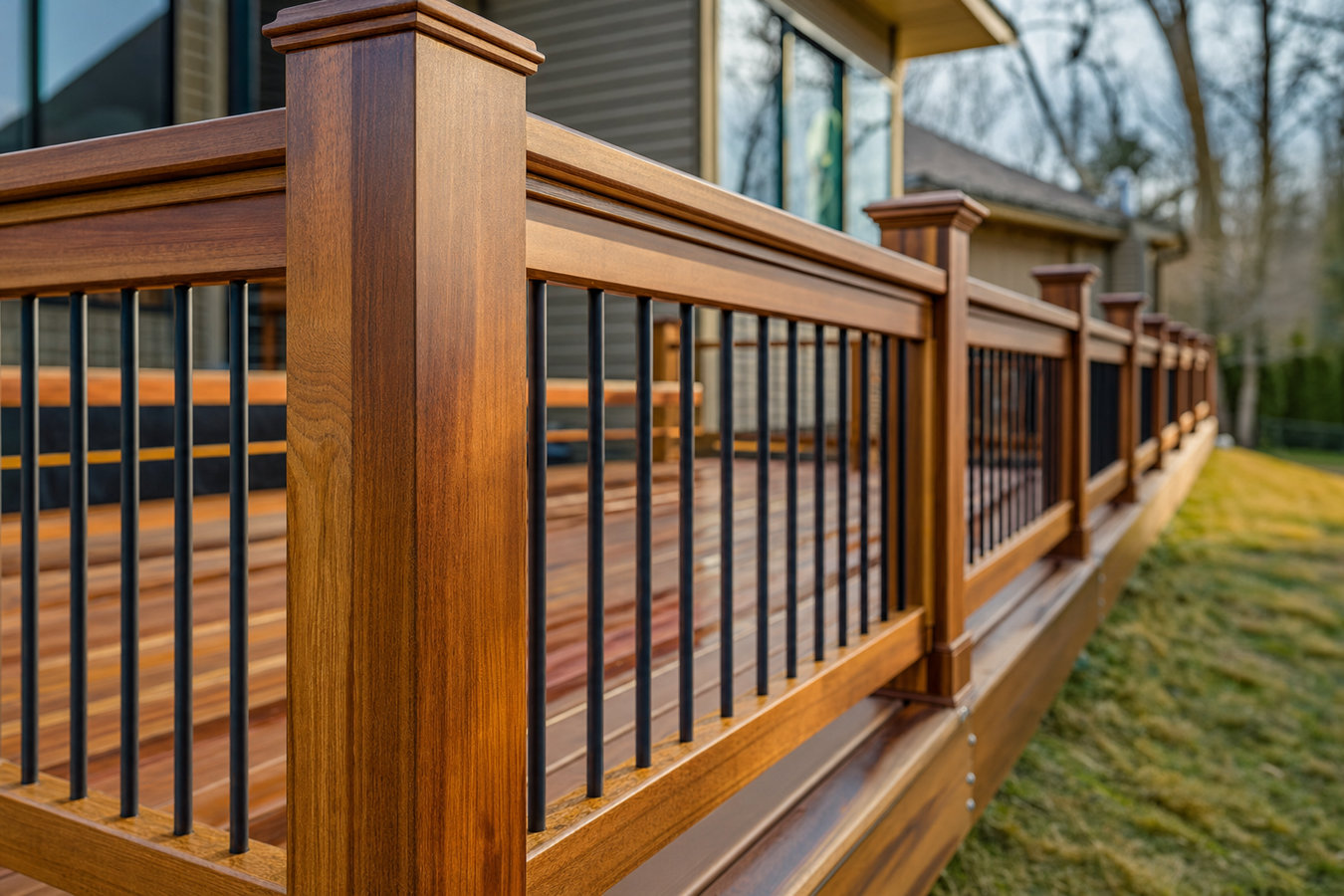
New or replacement railings installed with posts properly anchored for Stephenville's clay soil - wood, composite, and aluminum options available, with every permit and city inspection handled for you.
Deck railing installation in Stephenville, TX means setting posts, attaching top and bottom rails, filling in balusters to meet safety spacing requirements, and completing a city inspection before the job is officially done - most standard deck railings are installed in a single day once the permit is approved.
The railing system is required by city building code on any deck surface 30 inches or more above the ground - so it is not optional on most elevated decks. Whether you are replacing a railing that has aged out or adding one to a deck that was never properly equipped, the process is the same: we assess your existing posts, recommend the right material for your conditions, pull the permit, install the system, and get the city inspector to sign off. Homeowners building a new deck often coordinate railing installation alongside a custom deck design and build, so the railing is planned into the structure from the start rather than added as an afterthought. Those finishing out a multi-level deck almost always need railing on the elevated platforms - we handle both in a single permitted scope of work.
The most common mistake we see is posts screwed to the surface of the deck rather than bolted through the framing. That type of installation looks fine at first and fails under pressure over time - which is exactly the moment a railing needs to hold.
Stand at the edge of your deck and push firmly on the top rail. If it moves, sways, or feels loose at the post, that is a safety problem - not just a cosmetic one. A railing that shifts under pressure will not hold someone who stumbles against it, and the problem tends to get worse over time, not better.
Run your hand along the rail and press on the posts near the base. If the wood feels spongy, crumbles slightly, or has deep cracks running along the grain, it has likely been damaged by Stephenville's heat-and-rain cycle. Soft wood at the base of a post almost always means rot has set in - no amount of paint or stain will fix it, and the post needs to come out.
If your deck surface is 30 inches or more above the ground and has no railing, that is the most urgent situation. It is a fall hazard and does not meet Texas building requirements. If you are planning to sell, an inspector will flag it. If you have children or elderly family members using the deck, the risk is immediate.
After a few seasons of intense Texas sun, wood railings that have not been maintained will turn gray and start to peel or check. Once the protective finish is gone, the wood absorbs moisture from spring rains and dries out again in summer heat, which speeds up deterioration quickly. If your railing looks like it has been neglected for two or more years, it is worth having a contractor assess whether it can be refinished or needs full replacement.
We install wood, composite, and aluminum railing systems on new and existing decks throughout Stephenville and Erath County. Each material has genuine trade-offs here - wood costs less upfront but needs regular care in this climate, composite holds its color and structure better through years of Texas UV and spring moisture, and aluminum is the closest to maintenance-free of all three. The right choice depends on your budget, how much sun the railing faces, and how often you want to spend a weekend refinishing it. For homeowners who are starting a full deck project, railing installation is built into the scope from day one when you start with a custom deck design and build.
On replacement projects, we evaluate every existing post before recommending what to keep and what to replace. If your posts are still solidly anchored and free of rot, we can often install new railing components around them - which saves meaningful money compared to a full replacement. Posts that test soft near the base or wobble when pushed need to come out regardless of how the rest of the railing looks. Homeowners with a multi-level deck should expect railing requirements on every platform that sits 30 inches or more above the ground - we coordinate all of it under a single permit and inspection process.
Best for homeowners who want the classic look of wood and are comfortable with periodic sealing - the most affordable upfront option for standard residential decks.
Best for homeowners who want a low-maintenance system that resists fading, cracking, and moisture in Stephenville's intense summer conditions without annual refinishing.
Best for homeowners who want a virtually maintenance-free railing that will not rot, rust, or warp - strong, clean-looking, and built to outlast most other options in this climate.
Best for homeowners whose deck structure is still sound but the existing railing has aged out - we assess each post, keep what is solid, and replace only what needs to go.
Stephenville sits in the Cross Timbers region of North Central Texas, where summer temperatures regularly exceed 95 degrees and the sun is intense for six or more months of the year. That heat and UV exposure are genuinely hard on wood railings that have not been well-maintained - surfaces that looked fine in March can be faded, cracking, and peeling by October. When we help a homeowner choose a railing material in Stephenville, we start by asking how much sun the railing faces and how often the homeowner realistically wants to do maintenance - because those two factors change the right answer more than anything else.
Erath County's clay-heavy soil adds another variable that matters specifically for post anchoring. The soil expands when it absorbs rain and shrinks back down in dry weather - a cycle that gradually works on any post that is not anchored deep enough or with the right hardware. We have installed railings throughout the area, including for homeowners in Granbury and surrounding communities, and the soil behavior is consistent across the region. The standard for post anchoring here is higher than it would be in a stable-soil market - and that is exactly what we build to. The American Wood Council's prescriptive deck construction guide sets the baseline for post connections and railing load requirements - we meet or exceed those on every install.
When you reach out, we ask how big your deck is, how high it sits off the ground, and what is prompting the call. We reply within one business day and schedule a free on-site assessment at your convenience.
We walk your deck, check the condition of existing posts and framing, measure total railing length, and discuss material options. Within a few days you receive a written quote that breaks down labor and materials separately - no single-number guesses.
Once you approve the quote, we submit the permit application to the City of Stephenville's Planning and Development office. Approval for standard residential railing work typically takes a few business days to a couple of weeks. We schedule your installation date once the permit is in hand.
The crew removes old railing if needed, sets or reinforces posts, and installs the new system - typically one full day for a standard deck. After installation, the city inspector schedules a visit to verify the work meets safety standards. We coordinate the inspection and leave the site clean when the job is done.
We come out, assess your deck in person, and give you a written quote - no obligation and no sales pressure. We reply within one business day.
(254) 428-0165Clay soil swells when wet and shrinks when dry - and Stephenville's soil does both reliably. We anchor railing posts in a way that accounts for that movement, so they stay firm through wet springs and dry summers rather than slowly loosening over time. A post that wobbles a year after installation almost always came down to how it was anchored from the start.
We handle the permit process through the City of Stephenville's Planning and Development office and coordinate the inspection that closes out the job. A fully permitted railing gives you documentation the work was done correctly - which matters when you sell your home and matters even more if something ever goes wrong and you need to file an insurance claim.
We give you honest trade-offs between wood, composite, and aluminum based on your deck's sun exposure, your maintenance appetite, and your budget. A railing that looks great on day one but requires yearly refinishing to survive Texas summers is not the right answer for every homeowner - we help you choose what actually works for your situation.
You receive a written, itemized quote before anyone picks up a tool. Labor and materials are broken out separately so you know exactly what you are paying for. If something changes during the job, we discuss it with you first - no surprise charges at the end of the project.
The goal on every railing job is the same: a system that is safe, permitted, and still solid several years from now - not just finished on the day the crew leaves. The North American Deck and Railing Association publishes safety and construction standards for deck railing systems that guide what a properly installed railing looks and feels like - and those standards are what we hold our work to on every install in Erath County.
Plan railing systems into your new deck from day one - custom layouts, material choices, and permits handled as a single integrated project.
Learn MoreEvery elevated platform on a multi-level deck needs code-compliant railing - we build and install both as a single permitted scope of work.
Learn MoreSpring booking slots in Erath County fill fast - reach out now to lock in your date and get a written estimate before the rush hits.