Serving Stephenville, TX and surrounding areas. (254) 428-0165
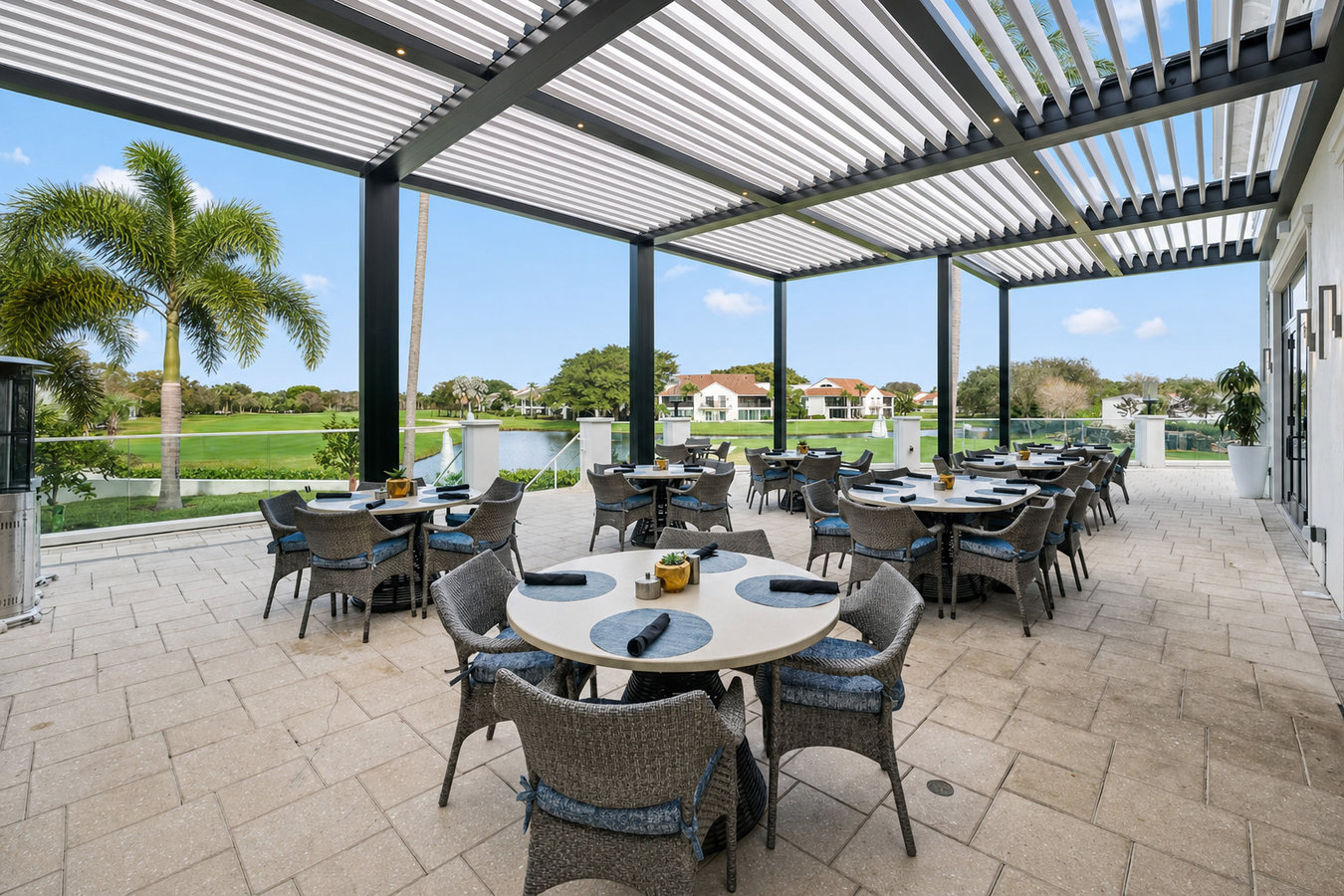
A pergola built for Stephenville means footings that hold through clay soil, materials that survive summer heat, and permits handled so there are no surprises later.
Pergola installation in Stephenville, TX creates a defined outdoor living space with posts, beams, and an open or partially covered roof - most jobs take one to three days once footings are cured, with the full timeline from first call to finished structure typically running two to four weeks when permits are factored in.
Think of a pergola as a room without walls. It gives your backyard a sense of structure and purpose - a place to put a dining table, a grill area, or seating that feels like it belongs there rather than furniture sitting in the open sun. Many Stephenville homeowners pair a pergola with a covered deck or patio cover for full weather protection, or add an outdoor kitchen deck to build out a complete backyard entertaining area.
The biggest question most homeowners face is attached vs. freestanding, and which materials will hold up in Central Texas heat. We help you work through both before any design is finalized.
If you step outside on a summer afternoon and retreat back inside immediately because there is no shade, that is the clearest sign your outdoor space is not working for you. Stephenville summers are long and intense - without a covered structure, your patio or deck becomes a heat trap for the better part of six months. A pergola with shade fabric or a louvered cover can make that space somewhere you actually want to spend time.
If you have a poured patio or an existing deck but nothing overhead, you are missing the element that makes outdoor living comfortable. A bare patio is a starting point, not a finished outdoor room. Adding a pergola gives that space a sense of enclosure and purpose - it becomes a place to put a dining table or seating arrangement that feels intentional rather than just furniture sitting in the sun.
Pop-up canopies, freestanding umbrellas, and shade sails all solve the problem short-term, but they look improvised and do not hold up well to Central Texas wind and weather. If you have been patching together shade solutions for a couple of summers, that is a signal you are ready for something permanent. A built pergola looks like it belongs there - it adds to the home rather than just sitting on top of it.
If you have an older pergola or shade structure that has started to tilt, lean, or show gaps at the post bases, Erath County's clay soil is likely the cause. Clay soil moves with moisture - it swells after rain and shrinks in drought, and over time that movement works on footings that were not set deep enough. Rather than patching an unstable structure, a full replacement with properly set footings is the safer long-term solution.
We build attached and freestanding pergola structures in wood, cedar, and low-maintenance configurations. An attached pergola anchors to your home's exterior wall, typically above a back door or sliding glass door, creating a natural indoor-outdoor connection. The installation requires careful flashing where the ledger board meets the house to prevent water intrusion - a step that separates a properly built structure from one that causes problems later. For homeowners who want a complete backyard retreat, our outdoor kitchen deck service can be combined with a pergola overhead to create a shaded cooking and entertaining zone.
A freestanding pergola stands entirely on its own posts set in concrete footings and can be placed anywhere in the yard - over a pool area, a garden seating spot, or away from the house entirely. For homeowners who want full shade rather than filtered light, we install shade fabric, polycarbonate panels, and louvered roof systems as part of the pergola build. Those planning for a fully covered space may also consider our covered decks and patio covers for a solid-roof solution.
Best for homeowners who want a structure that connects to the house, creating a seamless transition from indoor to outdoor living space off a back door or patio.
Best for homeowners who want placement flexibility in the yard - over a pool area, garden, or any spot away from the house - without anchoring to the exterior wall.
Best for homeowners who want the warm, natural look of wood and plan to seal or stain regularly to protect against Stephenville's UV exposure and heat.
Best for homeowners who want a pergola with shade fabric, polycarbonate panels, or a louvered roof system added from day one for maximum sun protection.
Stephenville sits in the Cross Timbers region of Central Texas, where summer temperatures regularly climb above 95 degrees and UV intensity is high for months at a stretch. That combination is hard on any outdoor wood structure - untreated or poorly sealed lumber cracks, fades, and deteriorates much faster here than in cooler climates. Erath County's clay-heavy soil compounds the challenge: it expands when wet and contracts when dry, which puts ongoing stress on post footings that were not set deep enough for local conditions. Homeowners in areas like Crowley and Alvarado face the same soil and climate pressures, and the pergolas we build there are engineered the same way as those in Stephenville.
The City of Stephenville requires building permits for most permanent outdoor structures, including attached pergolas. Many newer Stephenville subdivisions also have HOA design guidelines that restrict height, color, or placement. A contractor who does not ask about these requirements upfront is setting you up for a problem later - either a structure that does not meet city code or one that draws a violation notice from your HOA. We handle both before any design is finalized. The North American Deck and Railing Association publishes installation standards that guide how we approach footings, connections, and material selection for this type of structure.
When you reach out, we ask a few basic questions - the size of your space, whether you want the pergola attached to the house or freestanding, and what you are hoping to use it for. We reply within one business day and schedule a site visit at your convenience.
We come to your property to measure the space, check site conditions including soil and sun exposure, and walk through design options in person. A written estimate follows that breaks down exactly what is included before you commit to anything.
For most attached pergolas in Stephenville, we submit a permit application to the city before work begins. We handle the process on your behalf - permit approval typically takes a few business days to a couple of weeks, and we factor that into your timeline.
The crew sets footings in Stephenville's clay soil at the correct depth, pours concrete, and frames the structure. Once complete, the city inspector verifies the work, and we do a final walkthrough with you so you know exactly what you have and how to maintain it.
Free on-site estimate. We handle the permit. Reply within one business day.
(254) 428-0165We set post footings past the active clay layer where expansion and contraction occurs, so your pergola stays plumb and level through wet springs and dry summers. A structure that starts to lean after two seasons is a footing problem - we prevent that from the start.
We handle the City of Stephenville permit process on your behalf and welcome the inspector's visit when the work is complete. A permitted pergola is on record with the city, which protects you at resale and gives you independent confirmation the structure was built correctly.
Many of Stephenville's newer subdivisions have HOA design guidelines that restrict pergola height, color, or placement. We ask about your HOA requirements before the design is finalized - not after the posts are in the ground - so your structure fits your neighborhood's rules from day one.
Wood selection, finish type, and fastener choices all affect how a pergola holds up in Stephenville's climate - intense UV, summer heat above 95 degrees, and spring storms. We choose materials and finishes that are appropriate for this region, not just the cheapest option available.
Every one of those points matters more in this climate than in a milder one. When heat, clay soil, and permit requirements all show up in the same project, working with a contractor who knows Stephenville means fewer delays, fewer surprises, and a structure that holds up the way it should. Texas TDLR licensing requirements apply to structural work in this state - you can verify any contractor's status there before signing anything.
Combine a pergola with a built-in cooking and entertaining area - a complete outdoor room designed around how you actually use your backyard.
Learn MoreWhen you want a solid roof over your outdoor space rather than open beams, a covered deck or patio cover gives you full weather protection.
Learn MoreSpring booking fills up fast - reach out now to lock in your installation date before the summer rush.